Source Round Fiber Laser Protective Lens for Cutting, Welding, and Marking
Compare 30 listings for round fiber laser protective lens options from China. Evaluate fused silica and optical glass materials, varying diameters, and OEM customization services for industrial laser equipment applications; compare the available evidence and request quotations based on your requirements.
Key considerations
Products List


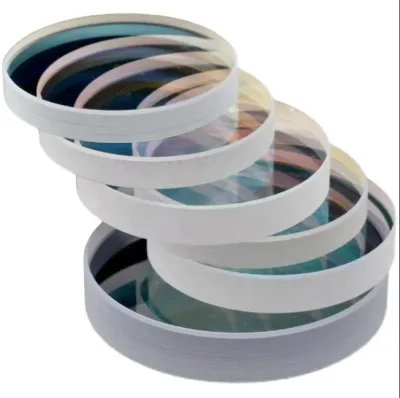


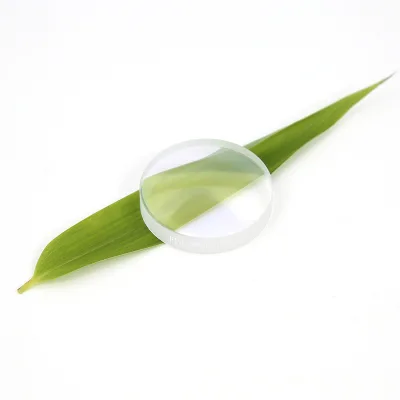


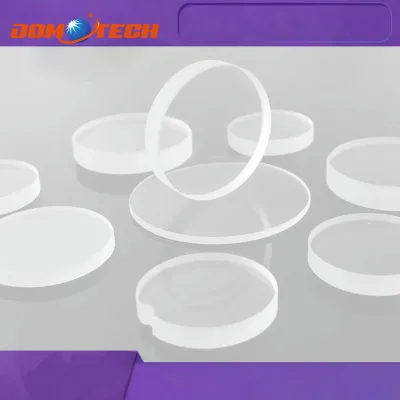
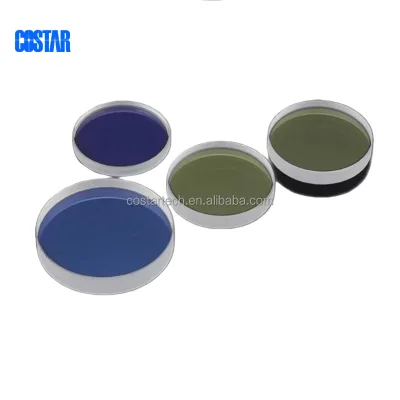


Comprehensive Sourcing Guide
Round Fiber Laser Protective Lens Sourcing Guide
Procuring round fiber laser protective lenses requires a disciplined approach to align optical performance with industrial durability. These components serve as critical barriers between the laser source and the cutting head, preventing spatter and debris from damaging expensive internal optics. Buyers must prioritize suppliers who understand the specific thermal and mechanical stresses inherent in high-power fiber laser systems. The selection process begins with defining the exact operational environment, including laser power levels and cutting materials, to ensure the lens material can withstand the intended workload without premature failure.
The market offers a variety of options ranging from standard fused silica to specialized ceramic coatings, each with distinct advantages for different manufacturing scenarios. Sourcing teams should evaluate listings based on transparent technical data rather than marketing claims alone. It is essential to verify that the supplier provides detailed specifications regarding lens diameter, edge thickness, and surface quality. By focusing on these tangible attributes, buyers can mitigate the risk of receiving substandard components that may lead to unplanned downtime or compromised cut quality in their production lines.
Product Scope and Observed Listing Signals
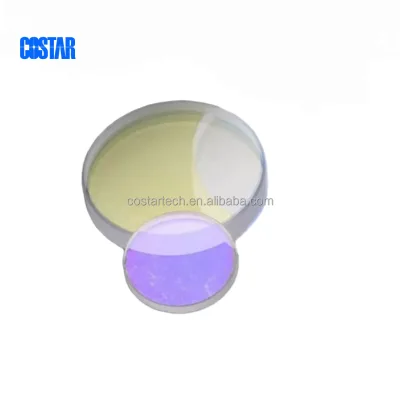
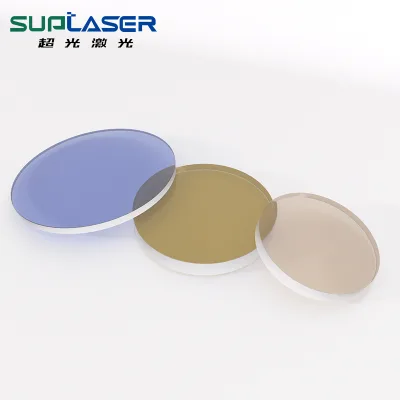
Current market listings indicate a diverse range of protective lenses tailored for various industrial applications. Observed product attributes highlight materials such as fused silica and ceramics, which are selected for their high transmission rates and thermal resistance. The shape is predominantly described as plane or single-lens configurations, designed to fit standard laser cutting heads. Buyers should note that while some listings specify a transparent color, others may offer customized coatings to enhance specific wavelength performance. Understanding these material distinctions is crucial for matching the lens to the specific laser type, such as fiber lasers, which are commonly referenced in supplier catalogs.
Commercial signals from suppliers reveal significant variability in minimum order quantities and packaging standards. Many vendors offer an MOQ of just ten pieces, facilitating low-volume testing and initial procurement, while others may require larger commitments up to five thousand units for cost efficiency. Packaging is typically described as cardboard box packaging, with single package sizes varying from compact 10x10x5 cm boxes to larger 30x30x30 cm containers. These logistical details impact shipping costs and storage requirements, so buyers must calculate the total landed cost by factoring in packaging dimensions and weight, which can range from 0.04 kg to 1.000 kg per unit depending on the lens size and material density.
Technical Specifications to Verify
Verifying the physical dimensions of the lens is the first step in ensuring compatibility with existing laser equipment. Key specifications to confirm include the lens diameter, which typically ranges from 20 to 50 mm, and the edge thickness, often specified between 1 and 5 mm. These measurements must align precisely with the mounting interface of the laser cutting head to prevent misalignment or vibration during high-speed operation. Buyers should request detailed engineering drawings or CAD files from suppliers to validate these dimensions before placing an order, as even minor deviations can lead to optical axis errors and reduced cutting precision.
Material composition and optical properties are equally critical for long-term performance. Fused silica is a common choice due to its high laser damage threshold and low thermal expansion, making it suitable for high-power applications. In contrast, ceramic lenses may offer enhanced durability against physical impact and spatter. Buyers must verify the specific grade of optical glass or fused silica used, as impurities can affect transmission efficiency. Additionally, checking the surface quality and coating specifications is essential, as anti-reflective coatings can significantly improve energy transfer and reduce the risk of lens damage from back-reflected laser energy.
Compliance and Safety Documentation
Ensuring that protective lenses meet relevant safety and quality standards is vital for maintaining a compliant manufacturing environment. Buyers should request certification documents such as CE, ISO, and RoHS compliance certificates from suppliers. These certifications indicate that the product adheres to international standards for safety, environmental impact, and quality management systems. Verifying these documents helps mitigate legal and operational risks, ensuring that the components used in laser equipment do not introduce hazardous materials or fail to meet regulatory requirements in the buyer’s target market.
In addition to formal certifications, buyers should inquire about outgoing inspection reports and quality control processes. Reputable suppliers often provide video outgoing-inspection records or detailed quality reports for each batch of lenses. These documents offer transparency into the manufacturing process and allow buyers to verify that the lenses meet specified tolerances before shipment. Establishing a clear communication channel for quality assurance enables buyers to address any discrepancies early, ensuring that only products that pass rigorous internal checks are delivered to their facilities.
Cost Drivers and Commercial Terms
The cost of round fiber laser protective lenses is influenced by several factors, including material quality, customization options, and order volume. While some listings highlight competitive pricing, buyers should look beyond the unit price to understand the total cost of ownership. Customized lenses, such as those with specific thicknesses or coatings, may incur additional charges compared to standard off-the-shelf components. Understanding these cost drivers allows buyers to make informed decisions about whether to invest in customized solutions for specific applications or stick to standard parts for general use.
Commercial terms, including warranty and after-sales support, play a significant role in the procurement decision. Many suppliers offer a one-year warranty on their lenses, providing a safety net against manufacturing defects. Buyers should clarify the terms of this warranty, including coverage for shipping damages and procedures for claiming replacements. Additionally, evaluating the supplier’s responsiveness and technical support capabilities can help ensure that any issues are resolved quickly, minimizing production downtime. Negotiating favorable payment terms and lead times can further enhance the value proposition of the procurement.
Supplier Qualification and Quality Control
Evaluating supplier qualifications is essential to ensure a reliable supply chain for critical laser components. Buyers should assess the supplier’s production capabilities, including their facility location and manufacturing processes. Many suppliers are based in regions like Shanghai or Shandong, which are known for their optical manufacturing expertise. Verifying the supplier’s experience in producing lenses for industrial laser equipment can provide confidence in their ability to meet quality and delivery requirements. Additionally, checking for OEM/ODM services can be beneficial for buyers seeking customized solutions or private labeling.
Quality control measures implemented by the supplier directly impact the consistency and reliability of the lenses. Buyers should inquire about the supplier’s internal testing procedures, such as laser damage threshold testing and surface quality inspections. Suppliers that provide video outgoing-inspection records demonstrate a commitment to transparency and quality assurance. Establishing a robust quality control protocol, including regular audits and sample testing, helps ensure that the lenses meet the specified standards. Building a strong relationship with a qualified supplier can lead to better pricing, priority service, and improved product quality over time.
Long-Term Procurement Checks
Establishing long-term procurement checks ensures that the quality and performance of protective lenses remain consistent over time. Buyers should implement a regular review process to evaluate supplier performance, including on-time delivery rates, defect rates, and responsiveness to issues. Tracking these metrics helps identify potential problems early and allows for proactive measures to address them. Additionally, conducting periodic audits of the supplier’s quality control processes can help maintain high standards and ensure continuous improvement.
As technology evolves, buyers should stay informed about advancements in lens materials and coatings that may offer improved performance or cost savings. Regularly reviewing technical specifications and comparing them with industry standards can help identify opportunities for optimization. Engaging with suppliers to discuss new product developments and potential upgrades can also provide valuable insights. By maintaining a proactive approach to procurement, buyers can ensure that their laser equipment continues to operate efficiently and reliably, supporting long-term manufacturing success.
FAQs
What material is used for the round fiber laser protective lens?
The lens is primarily made of fused silica or optical glass, with some variants using ceramics. These materials ensure high transmission and durability under fiber laser conditions. The specific material depends on the customized order requirements and the intended application in industrial laser equipment.
Can I get a customized thickness for this protective lens?
Yes, the thickness can be customized to meet specific operational needs. While standard edge thickness ranges from 1 to 5 mm, buyers can request tailored dimensions. This customization is available through OEM or ODM services provided by the manufacturers in China.
Which certifications do these fiber laser lenses typically hold?
Many of these lenses carry CE, ISO, and RoHS certifications to ensure safety and quality compliance. These standards verify that the products meet international requirements for industrial use. Buyers should verify specific certification documents with the supplier before placing large orders.
How long is the warranty period for this optical component?
The standard warranty period for this lens is one year from the date of purchase. This coverage applies to manufacturing defects and material failures under normal operating conditions. Buyers should retain proof of purchase to validate any warranty claims effectively.
What is the minimum order quantity for purchasing these lenses?
The minimum order quantity is typically 10 pieces for standard transactions. However, some suppliers may accept orders as low as one unit depending on their specific policies. Bulk orders often benefit from competitive pricing and streamlined shipping arrangements.
Where are these fiber laser lenses manufactured and shipped from?
These lenses are manufactured in China, with specific origins in Shanghai and Shandong provinces. The products are shipped globally, with showroom locations available in Italy, Brazil, and India for local inspection. Buyers can expect efficient logistics from these established manufacturing hubs.
What is the typical packaging method for these optical lenses?
The lenses are packaged in cardboard boxes designed to protect the optical surfaces during transit. Each single package size varies, often measuring around 10x10x5 cm or 30x30x30 cm depending on the quantity. This packaging ensures the items arrive in new condition without damage.